Protecting the Grain: What Happens Before Basmati Reaches Global Markets?
Basmati rice is valued internationally for its natural fragrance, slender grains and distinctive cooking qualities. But maintaining these characteristics requires attention at every stage, from selecting the right variety to milling, ageing, testing and packaging.
For Indian rice processors and exporters, consistent quality is more than a selling point. It helps build product credibility and maintain long-term relationships with international buyers.
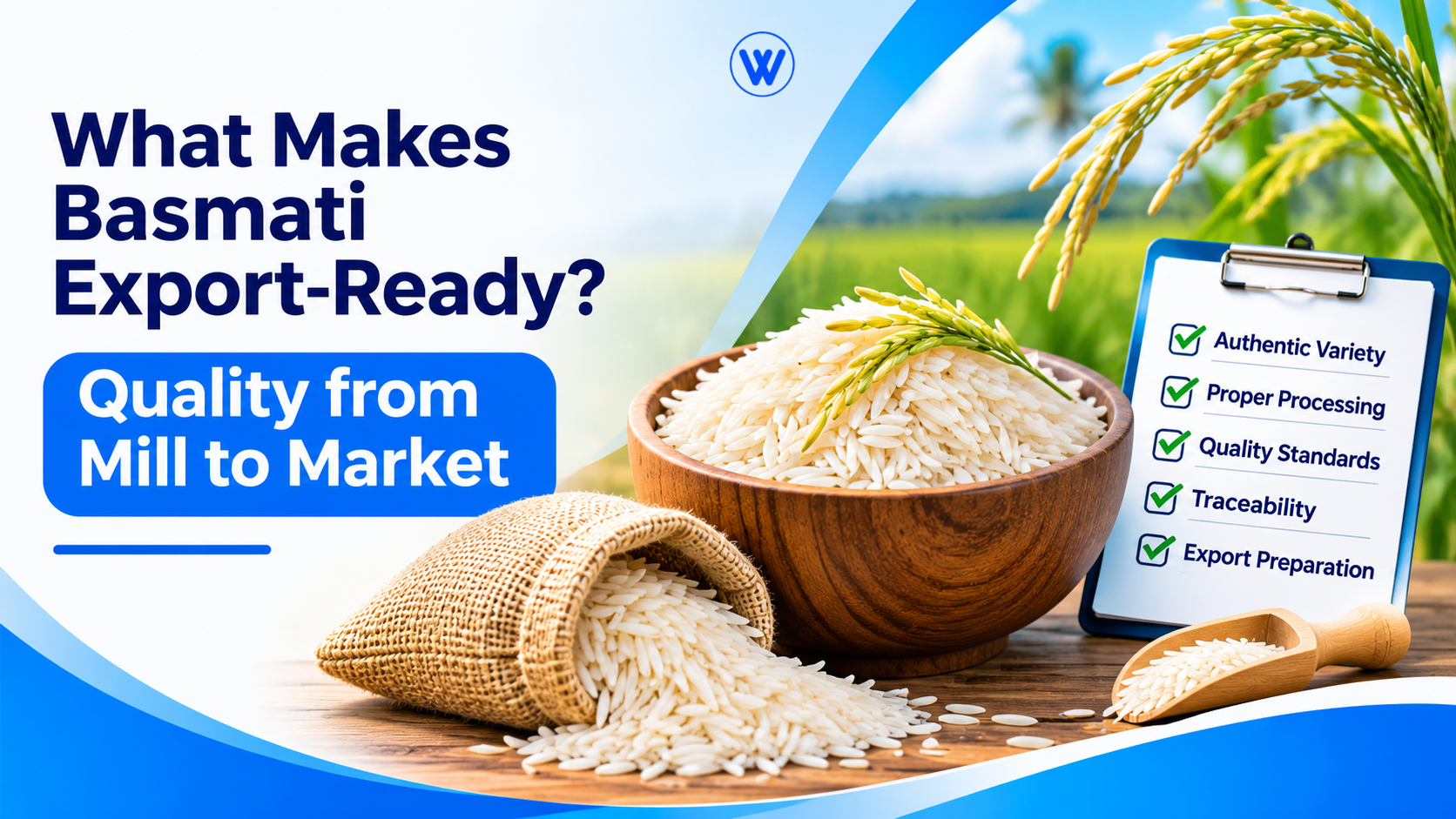
1. Authenticity Begins with the Right Variety
Not every aromatic long-grain rice qualifies as Basmati. Its identity is linked to specific geographical origins and recognised characteristics.
India's APEDA maintains information on notified Basmati varieties and their eligibility requirements. These include grain dimensions, cooking elongation, aroma and texture.
Source: APEDA – Eligibility of a Rice Variety to Be Notified as Basmati.
2. Processing Can Influence the Final Quality
The journey from paddy to export-ready rice involves several important operations:
-
Cleaning: Removing unwanted materials and impurities.
-
Dehusking: Separating the outer husk from the grain.
-
Milling and grading: Processing rice and separating grains according to quality and size.
-
Ageing: Managing the ageing process to develop the desired cooking characteristics.
-
Sorting: Removing defective, discoloured and broken grains according to specifications.
These steps help processors achieve a more consistent finished product.
3. Why Grain Quality and Cooking Performance Matter
International buyers may evaluate Basmati based on several measurable and sensory characteristics.
Important parameters include grain length, moisture, broken grain percentage, natural aroma, cooking elongation and texture.
The Food Safety and Standards Authority of India (FSSAI) has notified identity standards for Basmati rice, covering natural fragrance, grain characteristics, moisture and other quality parameters. The standards also address artificial colouring, polishing agents and fragrances.
Source: FSSAI – Basmati Rice Identity Standards.
4. Traceability Builds Confidence in Basmati
Authenticity is particularly important in premium rice trading. Buyers need confidence that the product supplied matches its declared variety and origin.
APEDA's Basmati.Net system supports traceability across the Basmati value chain. It helps record activities undertaken by different stakeholders and supports the authentication of genuine Basmati rice.
Explore APEDA's Basmati.Net traceability system.
5. Packaging and Export Preparation Complete the Process
Even carefully processed rice needs suitable packaging and shipment preparation. Exporters should consider moisture protection, packaging strength, storage conditions, labelling and the buyer's required specifications.
Indian rice exporters should also review applicable export requirements, including Import Export Code (IEC), APEDA registration, phytosanitary certification and Registration-cum-Allocation Certificate (RCAC), wherever required.
Source: APEDA – Requirements for Export of Rice.
From Consistent Quality to International Business
A strong Basmati export business depends on more than producing attractive grains. Authenticity, quality consistency, traceability and reliable supply all contribute to buyer confidence.
Businesses that understand these factors can prepare more competitive product offerings and build stronger relationships in international markets.
Frequently Asked Questions
1. What makes Basmati rice different from other rice varieties?
Basmati is recognised for its distinctive natural aroma, long slender grains, cooking elongation and characteristic texture.
2. Why is ageing important in Basmati rice?
Ageing is one of the factors associated with Basmati's cooking and eating characteristics. Properly managed ageing can influence grain performance during cooking.
3. How can buyers verify Basmati authenticity?
They can review product specifications, quality reports, relevant documentation and available traceability information, including APEDA's Basmati.Net system.
Discover Global Rice Trade Opportunities with Welexo
Consistent product quality creates a strong foundation for international business. The next step is connecting with relevant buyers and understanding market requirements.
Welexo helps businesses explore verified buyer and seller information, company profiles, shipment trends and competitor intelligence to support informed global trade decisions.
Visit Welexo to explore international business opportunities.