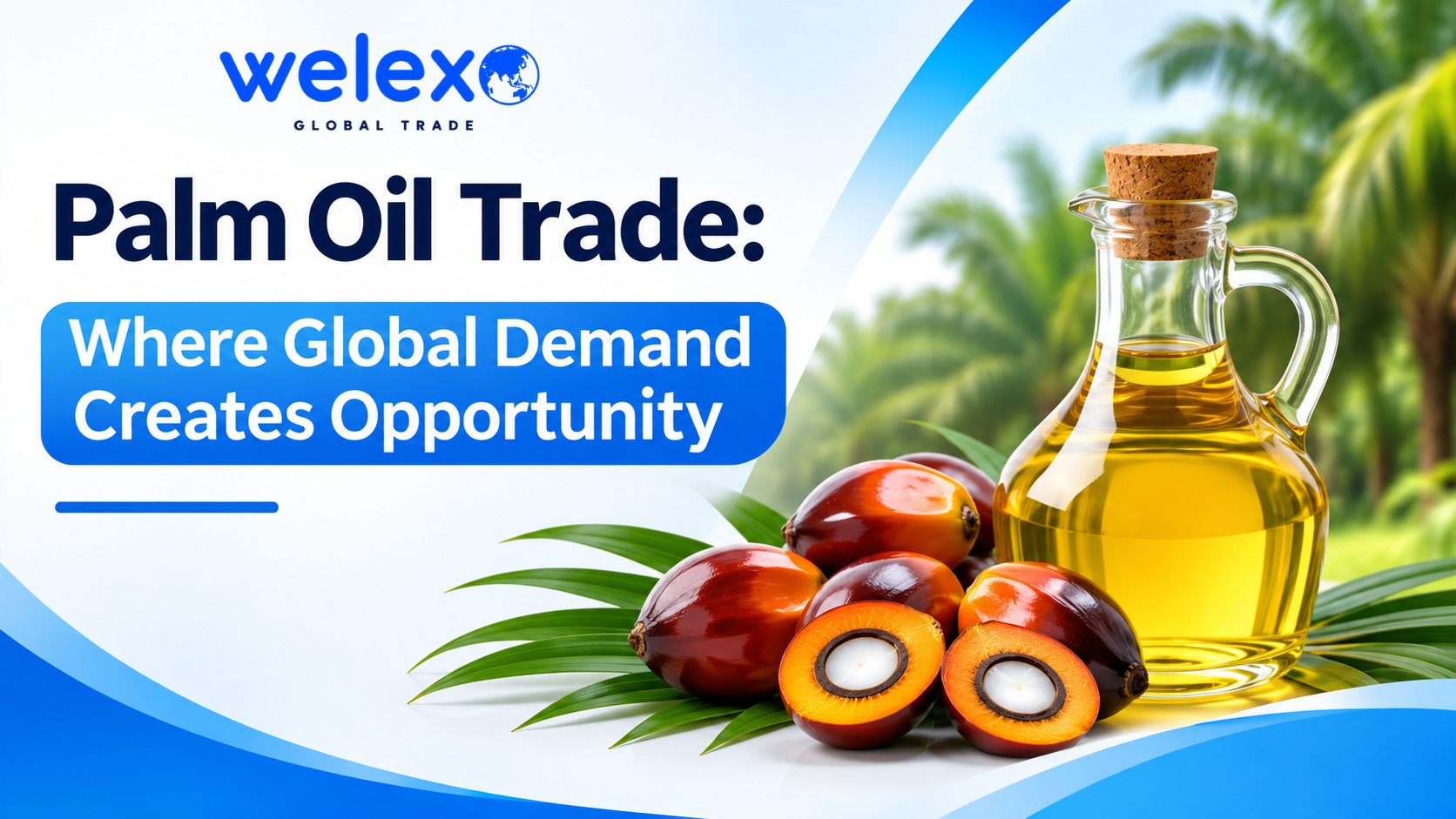
Understanding the Markets Behind Palm Oil Demand
Palm oil plays an important role in the global supply of cooking oils, packaged foods, personal care products and several industrial applications. Its wide range of uses creates international business opportunities for producers, processors, traders and exporters.
For businesses entering this market, understanding which countries depend on imported palm oil and what buyers require can help shape better trading decisions.
According to India's Department of Food and Public Distribution, the country imported 75.17 lakh tonnes of palm oil during 2024–25, representing 46.77% of its total edible oil imports.
Source: Government of India – Edible Oil Import Statistics.
Which Countries Are Important in Palm Oil Trade?
Indonesia and Malaysia are major suppliers in the international palm oil market. Other producing countries include Thailand, Colombia and Papua New Guinea.
For exporters, understanding the supply landscape is important because established suppliers influence market availability, pricing and competition.
At the same time, import-dependent markets can offer opportunities for suppliers who understand local requirements and can provide consistent products.
What Should Palm Oil Exporters Consider Before Entering a Market?
Choosing a destination requires more than looking at its overall import demand. Exporters should evaluate:
-
Product specifications: Understand whether buyers require crude palm oil, refined palm oil, palm olein or other fractions.
-
Buyer requirements: Research the purchasing needs of food manufacturers, distributors, refineries and wholesalers.
-
Pricing: Evaluate international price movements, processing costs and transportation expenses.
-
Quality standards: Check applicable product specifications, testing requirements and certifications.
-
Market regulations: Understand import duties, documentation and destination-specific compliance requirements.
Where Can Exporters Find Market Opportunities?
A country's import activity can reveal potential demand, but identifying the right business partners requires deeper research.
For example, World Bank trade statistics show that India imported crude palm oil worth approximately US$7.54 billion in 2025. Indonesia, Malaysia and Thailand were among its leading suppliers.
Explore India's crude palm oil imports by country – World Bank WITS.
Such information can help businesses understand existing supplier relationships, evaluate sourcing competition and explore potential trading opportunities.
Why Buyer Research Matters in Palm Oil Trade
Even when a market has strong import demand, not every importer will be suitable for every supplier. Exporters should identify companies that purchase the relevant product type, understand their sourcing requirements and assess whether their supply capabilities match buyer expectations.
Researching company profiles, buyer-seller information, shipment trends and competitor activity can make international business outreach more focused.
Frequently Asked Questions
1. Which countries are major palm oil suppliers?
Indonesia and Malaysia are leading palm oil suppliers, while Thailand, Colombia and Papua New Guinea also contribute to international supply.
2. What are the main types of palm oil traded internationally?
Commonly traded products include crude palm oil, refined palm oil, RBD palm olein and palm stearin.
3. How can palm oil exporters identify international buyers?
Exporters can research importing companies, review purchasing activity, examine supplier relationships and identify businesses that require their specific palm oil products.
Explore Global Palm Oil Trade Opportunities with Welexo
Finding the right buyer starts with understanding the market. Welexo helps businesses explore verified buyer and seller information, company profiles, shipment trends and competitor intelligence to support smarter international trade decisions.
Visit www.welexo.com to explore global trade opportunities and connect with potential business partners.