Why Mango Processing Is Opening a Different Trade Opportunity
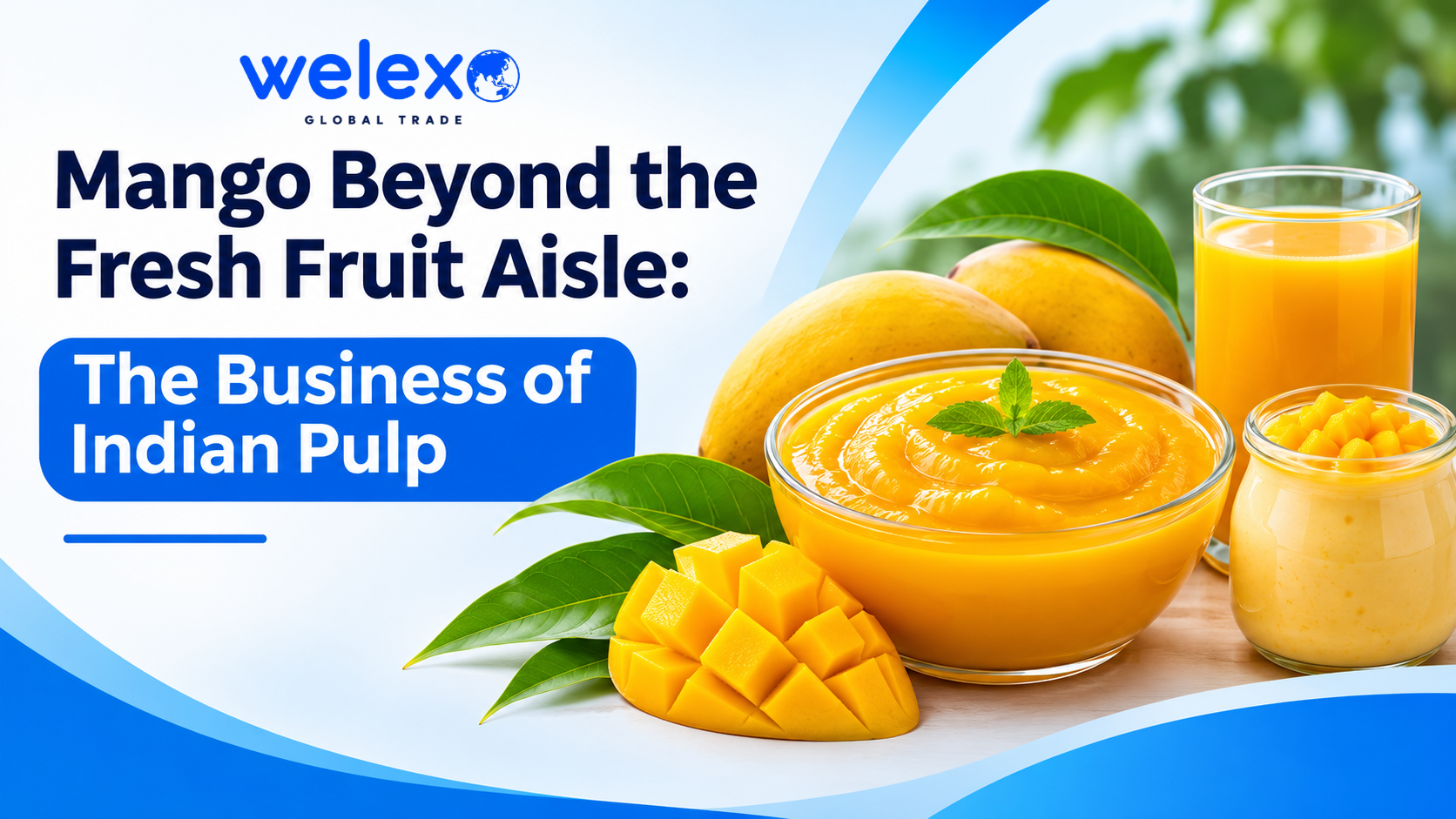
Mango is not only traded as fresh fruit. It also enters international supply chains as pulp, puree, concentrate and other processed ingredients used by food and beverage manufacturers.
For Indian businesses, this creates a different commercial opportunity: supplying companies that use mango as an ingredient rather than selling directly to fresh-fruit importers.
According to APEDA, India exported 62,864.13 metric tonnes of mango pulp worth US$68.39 million in FY 2025–26. This highlights the importance of processed mango products in India's agricultural export business.
Source: APEDA – Mango Pulp Export Statistics.
Where Does Mango Pulp Find Its Buyers?
Mango pulp is used by several industries that need fruit ingredients for their products.
-
Beverage manufacturers: For juices, nectars, smoothies and fruit drinks.
-
Dairy companies: For flavoured yogurt, milk-based beverages and desserts.
-
Bakery businesses: For cake fillings, pastries and fruit-based preparations.
-
Ice cream manufacturers: For mango-flavoured ice creams and frozen desserts.
-
Food processors: For jams, confectionery, sauces and other prepared foods.
This makes mango pulp relevant to a wider range of industrial buyers than fresh-fruit trading alone.
Explore APEDA's information on mango pulp and its applications.
Which Markets Are Purchasing Indian Mango Pulp?
APEDA's FY 2025–26 figures identify the following among India's major mango pulp export destinations:
-
USA
-
United Kingdom
-
Saudi Arabia
-
Netherlands
-
Germany
These destinations can help processors and suppliers begin researching potential industrial customers. However, buyer requirements may differ according to the intended application, product specifications and purchasing volumes.
What Do Industrial Buyers Expect from Mango Pulp Suppliers?
Unlike fresh-fruit buyers, food manufacturers generally evaluate ingredients according to how well they perform in their production processes.
Important considerations include:
-
Brix level: Sugar concentration and consistency.
-
Pulp quality: Colour, flavour, texture and fruit content.
-
Product specifications: Variety, processing method and required concentration.
-
Packaging format: Suitable aseptic bags, drums or other industrial packaging.
-
Supply consistency: Reliable quality and quantities across repeat orders.
Understanding these requirements can help Indian processors approach more relevant international customers.
A Different Direction for India's Mango Business
The opportunity in mango trade does not end with exporting fresh fruit. Processed ingredients allow Indian businesses to participate in international food manufacturing supply chains.
Researching importing companies, their purchasing activity and existing suppliers can help mango processors identify suitable business prospects and explore markets beyond traditional fresh-fruit trading.
Frequently Asked Questions
1. What is mango pulp used for internationally?
It is commonly used in juices, beverages, dairy products, bakery fillings, ice creams, jams and other processed foods.
2. Which countries import mango pulp from India?
The USA, UK, Saudi Arabia, the Netherlands and Germany are among India's major destinations in FY 2025–26.
3. Who are the potential buyers of mango pulp?
Potential buyers include beverage manufacturers, food processing companies, dairy businesses, bakeries, ice cream manufacturers and ingredient distributors.
Explore New Food Ingredient Markets with Welexo
Finding the right industrial buyer requires more than knowing which country imports a product. Businesses need to understand purchasing companies, sourcing relationships and market requirements.
With Welexo, businesses can explore verified buyer and seller information, company profiles, shipment trends and competitor intelligence to identify potential international business opportunities.
Visit www.welexo.com and explore new possibilities in global trade.