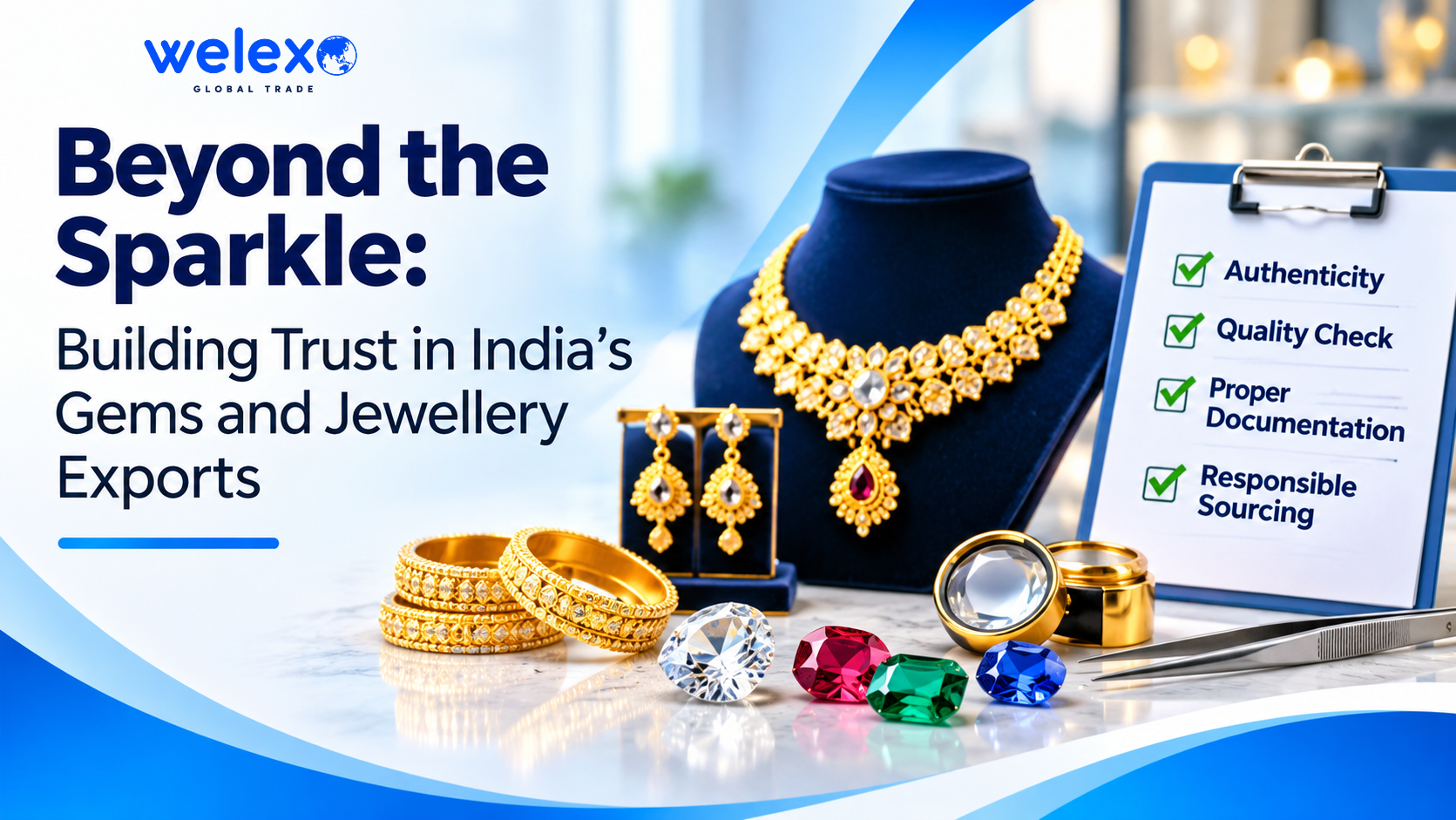
The Value of Authenticity in International Jewellery Trade
In the gems and jewellery business, appearance may attract attention, but authenticity and product quality help build lasting business relationships. International buyers want clarity about the materials, purity, gemstone characteristics and specifications of the products they purchase.
For Indian manufacturers and exporters, presenting reliable product information and maintaining transparent business practices can make a meaningful difference when entering competitive overseas markets.
1. Product Authenticity Starts with Clear Information
Jewellery can contain different precious metals, natural gemstones, treated stones, synthetic stones and other materials. Exporters should describe their products accurately rather than relying on broad labels.
Important details to communicate include:
-
Metal type, purity and fineness.
-
Gemstone identity and whether stones are natural, treated or laboratory-grown.
-
Stone weight, dimensions and quality characteristics.
-
Product design, finishing and manufacturing specifications.
-
Applicable certificates or independent test reports.
Clear descriptions help buyers understand exactly what they are purchasing.
2. Why Quality Verification Matters
Quality assurance can strengthen buyer confidence, particularly in precious-metal jewellery.
In India, the Bureau of Indian Standards (BIS) operates the hallmarking framework for gold and silver. Its hallmarking system identifies the precious metal's purity or fineness. The HUID system also provides a unique identification number for applicable hallmarked articles.
Exporters should remember that export jewellery may be subject to different requirements. Certain articles intended for export are exempt from mandatory hallmarking when they conform to the foreign buyer's specifications. Always check the applicable rules for the product and destination.
Source: BIS – Hallmarking FAQs | BIS – Export-related Hallmarking Exemptions.
3. Responsible Sourcing and Diamond Traceability
For diamond businesses, the origin and movement of rough diamonds can be important considerations.
The Kimberley Process Certification Scheme (KPCS) was established to help prevent conflict diamonds from entering the legitimate rough-diamond trade. In India, GJEPC is the designated authority for issuing Kimberley Process Certificates for applicable rough-diamond shipments.
The scheme applies to rough diamonds, not every category of finished jewellery or polished diamonds.
Source: GJEPC – Kimberley Process Information.
4. Prepare Product and Export Documentation
Before accepting an international order, businesses should identify the documentation required for their particular product and destination.
Depending on the shipment, this may include:
-
Commercial invoice and packing list.
-
Product specifications and certificates, where applicable.
-
Shipping bill and customs documentation.
-
Relevant gemstone or metal test reports.
-
Kimberley Process Certificate for applicable rough-diamond shipments.
-
Other documents required by the importing country or buyer.
The GJEPC Export Guide provides product-specific guidance for gold jewellery and rough-diamond exports.
5. Build a Stronger International Business Reputation
Consistent product descriptions, reliable quality checks and transparent documentation can help exporters create a professional impression.
Businesses should also maintain clear communication about order specifications, production timelines, packaging and delivery commitments. These practices can support repeat orders and stronger long-term relationships.
Frequently Asked Questions
1. Why is product certification important in jewellery exports?
Certificates and test reports can help establish product characteristics, such as metal purity or gemstone identity, when required by buyers or destination regulations.
2. What is the Kimberley Process Certificate?
It is a certificate used under the Kimberley Process Certification Scheme for qualifying rough-diamond shipments to help prevent conflict diamonds from entering legitimate trade.
3. Does BIS hallmarking apply to every jewellery export?
Not necessarily. Certain articles intended for export are exempt from India's mandatory hallmarking order when they meet the foreign buyer's required specifications. Exporters should verify the applicable conditions.
Connect with Global Gems and Jewellery Opportunities through Welexo
Strong product credibility is an important foundation for international growth. Businesses also need relevant market research and reliable commercial connections.
Welexo helps businesses explore verified buyer and seller information, company profiles, shipment trends and competitor intelligence to support informed global trade decisions.
Visit Welexo to explore international business opportunities.